Fairy Tales For The Apocalypse
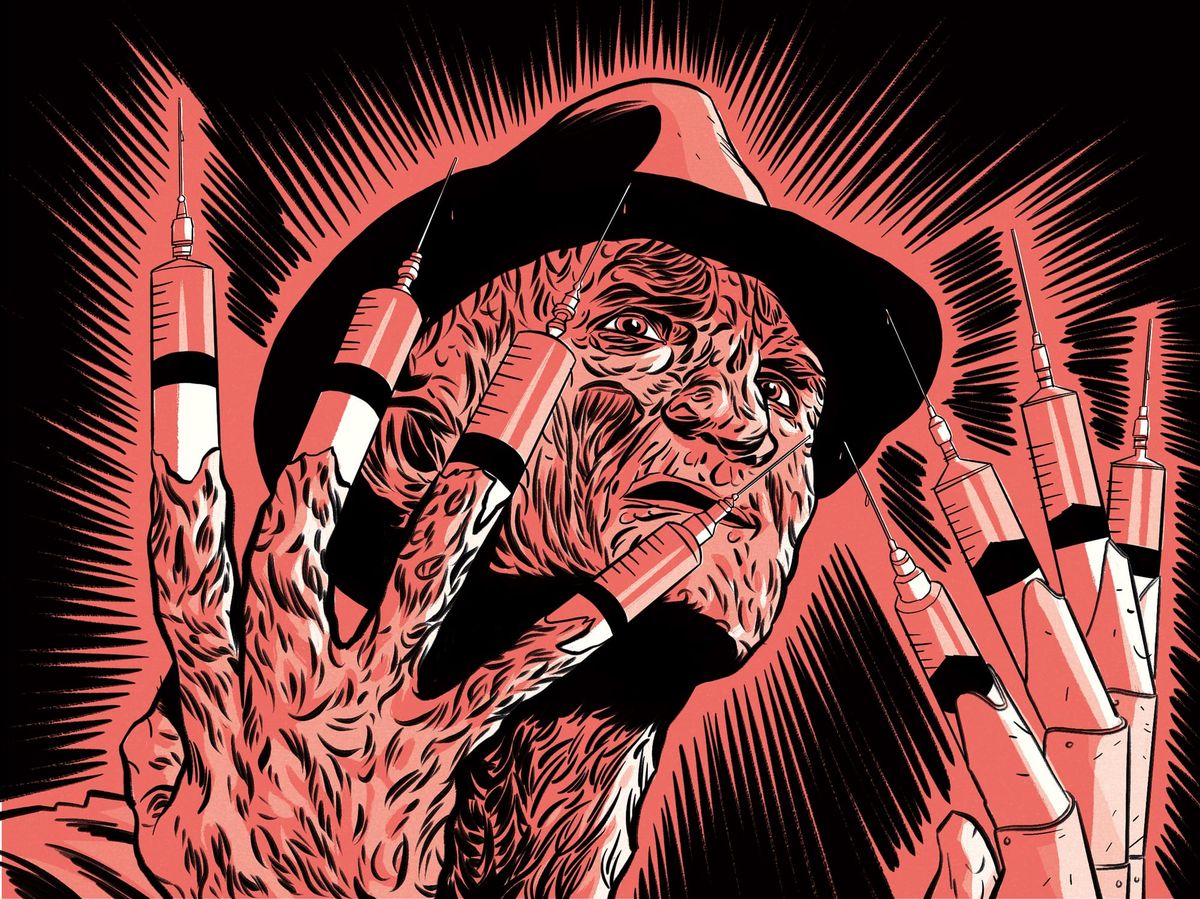
On Institutional Neglect, People Power, and Dream Warriors
This is part of a series of essays about my favourite horror sequels. Read the introduction here, and the full archive here. Subscribe for free to have it delivered to your inbox every other day in October. If you're enjoying it, you can show your appreciation by buying me a coffee or sharing it with friends.
Spoilers: I try my best not to spoil the films I discuss, but if spoilers ruin your viewing experience, it might be safer to watch the films before reading.
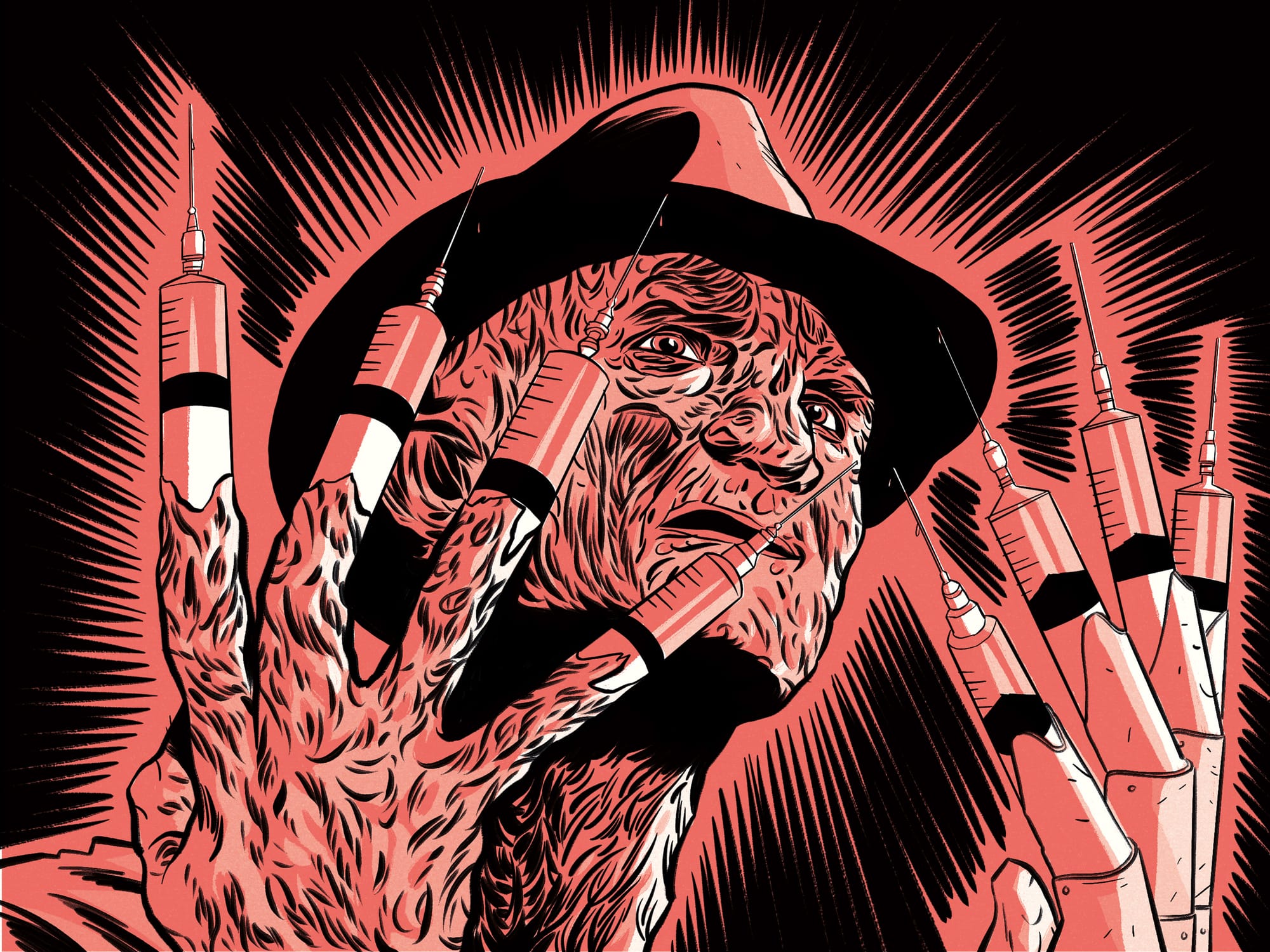
A Nightmare on Elm Street 3: Dream Warriors (1987) Dir. Chuck Russell
Plot Summary: A group of teenagers, haunted by Freddy Krueger in their dreams, are institutionalised in Westin Hills Psychiatric Hospital where they learn to fight together to survive.
"Sleep. Those little slices of Death. How I loathe them." - Edgar Allen Poe
"We're the dream warriors. Don't wanna dream no more." - Dokken
If Jaws, Psycho, Friday the 13th, Black Christmas, and Halloween had made - respectively - the ocean, motels, the outdoors, college, and suburbia feel unsafe, where else was left for horror to conquer? What part of everyday life was left that we could be made to fear?
In 1984, English and Psychology graduate (and horror legend) Wes Craven had the answer: the subconscious. In A Nightmare on Elm Street the antagonist, Freddy Krueger, could attack his victims in their sleep. Making their very dreams a deadly battleground. It's one of the simplest, and most potent conceits for a horror film. We all, on some fundamental level, understand that it's physically impossible to avoid sleep. There is no escaping it, and therefore no escaping Krueger. Furthermore, sleep is when we're most vulnerable, where our unconscious dreams and desires live. To be attacked there is a poisonous violation. My most vivid memory of Nightmare is being told the premise as a child and my imagination going wild before I'd even seen the film. I think this is a common experience for a lot of horror fans. When I finally saw the film it was almost a disappointment. Nothing could be scarier than the idea of it.
The concept also allowed Craven to bring a new stylistic sensibility to the slasher. No longer were we lumbered with masked, silent killers carrying phallic, penetrating weapons (your kitchen knives, your machetes). Now we had an entire phantasmagoric dream-state where anything could happen and a villain unafraid to talk or show his face. Craven is no Christopher Nolan either (complimentary). Instead of the dull, colourless dream environments of Inception, Craven gave us vivid colours and impressionistic leaps of dream logic. Few directors have so successfully harnessed the almost universal feelings/visuals of a nightmare and used them so effectively.
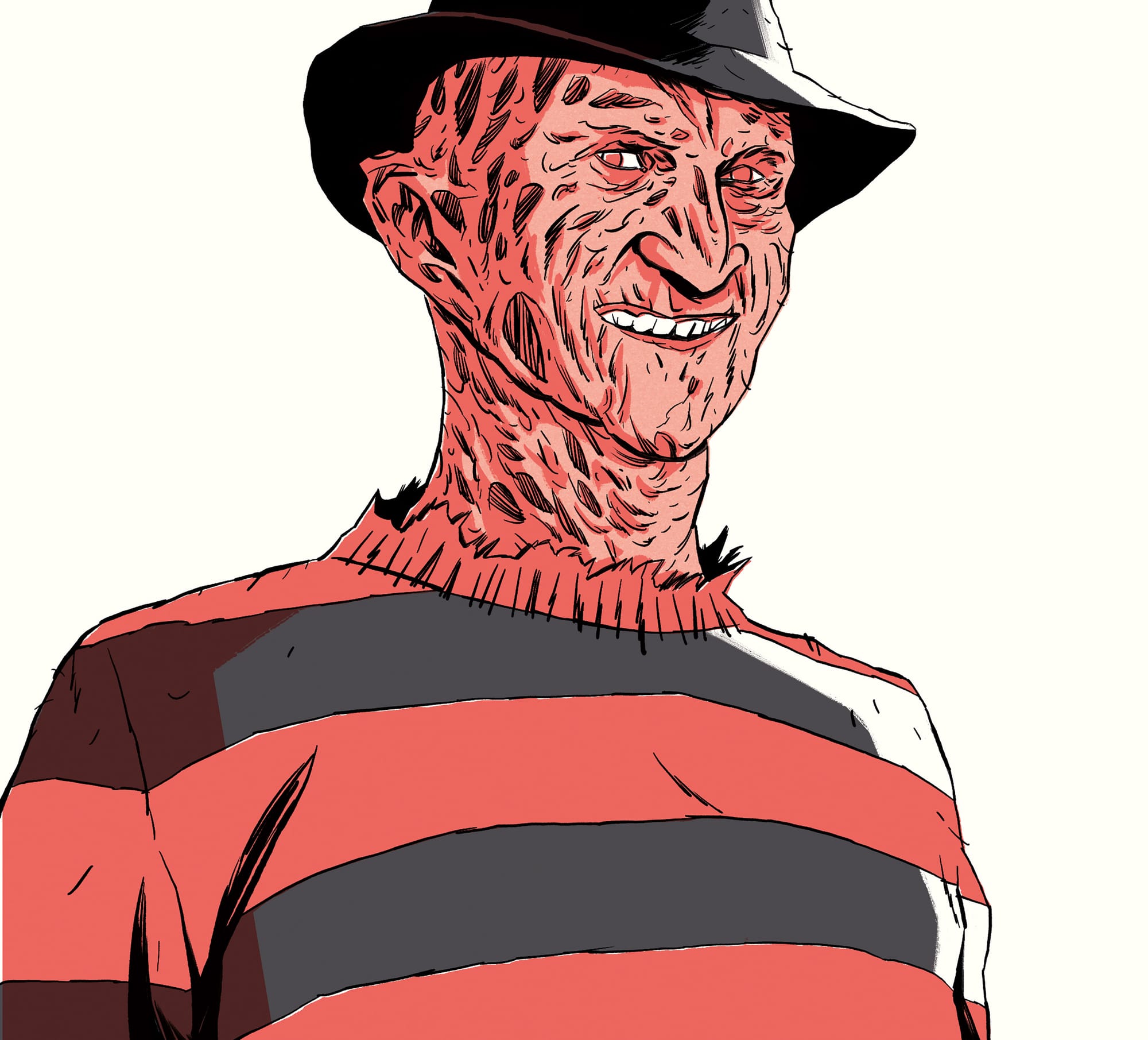
When the first film ended with a one-more-scare stinger, the franchise was almost inevitable. Craven fought it. He wanted the film to end with Nancy triumphant. He had no interest in revisiting the story. But New Line were determined to leave the door open for sequels.
"The original ending of the script has Nancy come out the door. It's an unusually cloudy and foggy day. A car pulls up with her dead friends in it. She's startled. She goes out and gets in the car wondering what the hell is going on, and they drive off into the fog, with the mother left standing on the doorstep and that's it. It was very brief, and suggestive that maybe life is sort of dream-like too." - Wes Craven
Freddy's Revenge, the sequel, was rushed into production and released the following year without Craven's involvement. It was a success in the box office but left fans (at the time) dissatisfied. Some still regard it today as the worst of the franchise (they are wrong).
The third film was seen as a make-or-break for the franchise. A much needed return to form that would bring the fans back. Craven was asked to return. After his first pitch (Krueger enters the real world and starts attacking the cast and crew of the first film) was rejected for being too confusingly meta, he delivered a script with writer Bruce Wagner about a group of institutionalised teens who fight Krueger together within the dream world.
"Since the first one was about a character who fought everything alone, what is the truth of the way it works in a community? If somebody has a great idea and fights alone, that's one thing but there are also people that have visions together. That are still fighting alone in a small group but they have a cohesion and a power that is greater than the sum of their parts." - Wes Craven
A Nightmare on Elm Street 3: Dream Warriors almost feels like a test run for some of the ideas and politics Wes Craven would eventually explore more overtly in The People Under The Stairs. It is a film about solidarity and people power. It's deeply critical of institutions and highlights the ways in which they can make situations worse by not listening to the people they theoretically exist to protect.

Throughout the film we discover how little Westin Hills Psychiatric Hospital is actually helping their patients. We meet a lecherous orderly trying to encourage a recovering drug addict to relapse. We meet a doctor who forces sleeping pills on the teenagers, despite their insistence that their dreams are deadly. When a patient has apparently committed suicide (the handiwork of Freddy), the staff talk about how weak he was - how he had let everyone down.
"You won't make any progress until you recognise your dreams for what they are." - Dr. Simms
"And what are they?" - Nancy Thompson
"The by-products of guilt. Psychological scars stemming from moral conflicts and overt sexuality." - Dr. Simms
Adults making the lives of children worse. It's the sort of intergenerational conflict that pairs well with the themes of the first movie and the franchise as a whole, where we discover Freddy was killed via the vigilante justice of the parents of Elm Street. The younger generation paying the price for the Sins of the Father. A perennial Craven theme. This idea is further dug into by Dream Warriors by spotlighting just how dismissive, judgemental, and callous the elder generation are when dealing with teenagers.
"Well, it beats Simm's theory. She thinks it's nothing but sex, drugs, and rock 'n' roll." - Dr. Gordon
"Shit. That's what keeps people alive." - Max
The Reagan-era conservatism and moralising of '80s America and how it ultimately harms the young is another thematic through-line for the Nightmare series. As is repression. Repression of sexuality yes, but also the withholding of the truth. Secrets that lay bare the hypocrisy of American society. I don't think it's a coincidence that, in order to finally beat Freddy Krueger, Nancy's dad - one of the parents who originally burned him alive - has to unearth his remains. The truth can only stay buried for so long.
Putting a bunch of traumatised, possibly gifted teens in a neglectful, harmful institute is one part One Flew Over The Cuckoo's Nest, one part The Breakfast Club, and one part Stephen King (see: Firestarter, The Institute). Indeed, when the teens start working together and discovering their dream abilities, they may as well have the shining. Which is appropriate since the writer/director pair of Chuck Russell and Frank Darabont came onto the film to do rewrites. Darabont would later go on to direct The Shawshank Redemption and The Mist - two of the more successful King adaptations.
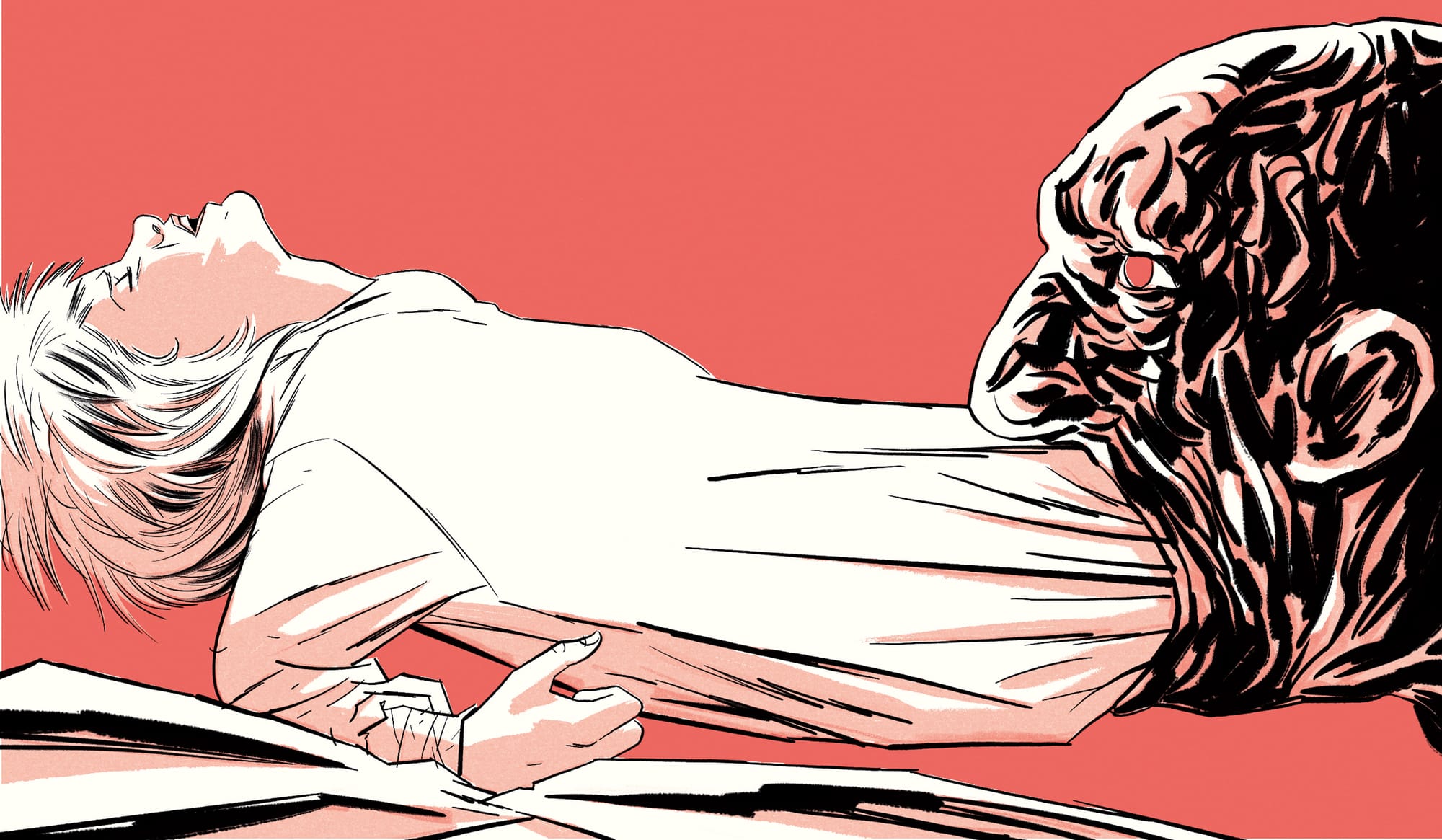
Russell brings a lot of inventive directorial choices to Dream Warriors. Whether it's Philip being literally puppeteered to his death by Freddy (using his tendons as the strings), a snake-like Freddy devouring Kristen, or the metallic arms of a Freddy-headed TV pulling Jennifer to her death, the practical effects remain effectively dark and gruesomely delightful even today. There's a set-piece where John Saxon fights the stop-motion skeletal remains of Krueger in a junkyard. It's a film brimming with fun, crowd pleaser moments like that.
Craven's heart wasn't abandoned though. Russell and Darabont ensured you cared about the teenagers. Each character has personality and compelling problems that inform how Krueger targets them and how they fight back. By allowing them to discover powers within their shared dreamworld, these teens gain an agency in their story and a legitimate way to fight back. We don't have a final girl, we have a final gang. It makes you believe they could possibly all survive and it's even more tragic when they don't.
"I thought that would be a very hopeful symbol for kids watching, that were somehow tortured by the sense they were alone in their vision of the world and their sensibilities." - Wes Craven
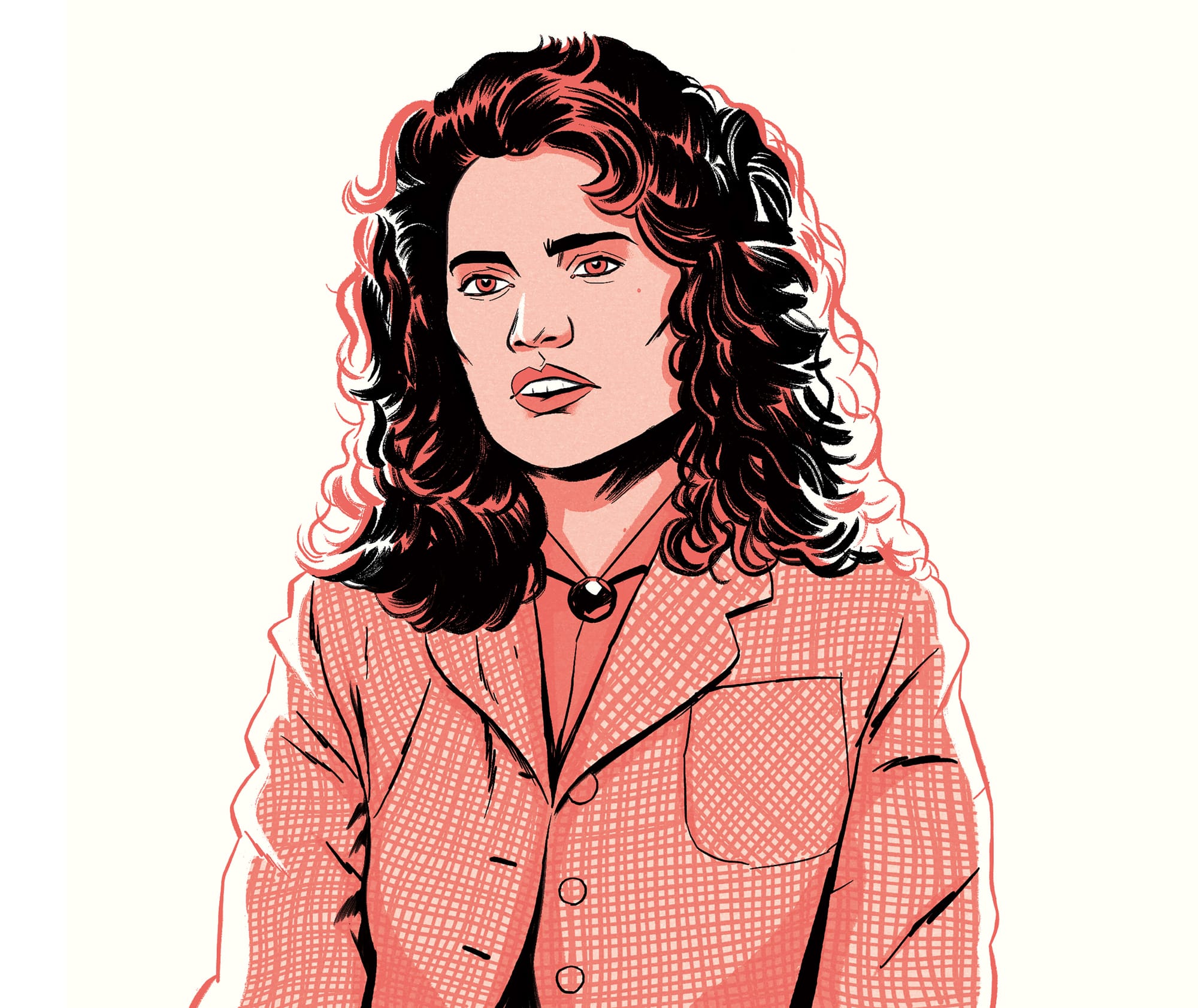
The return of final girl Nancy Thompson to help guide and protect them is also a nice touch. Not just because its good to have Heather Langenkamp back. Or to see her have a cool stripe of white hair like Rogue (another sequel I like struggling to beat the "X-Men as a horror film" allegations). Here, Nancy is empowering a new generation to fight for themselves. It underlines the need for solidarity, for paying it forward and for knowledge sharing.
Unfortunately Russell and Darabont also usher in the start of Freddy Krueger as a one-liner spouting, house-trained mascot. Dream Warriors just about skirts by, but it's success had a pernicious effect on future instalments as Krueger slowly devolved into a cartoon character. They also add an unnecessary wrinkle to Freddy's backstory - the "bastard child of a hundred maniacs" - that feels very regressive and eugenics-adjacent to me.
But ultimately, if you're in the mood for a fun-house horror with a heart, a splash of hair-metal and gnarly practical effects, you could do a lot worse than Dream Warriors. As with all the Nightmare films, it's perfect sleepover fare. And this one has Laurence Fishburne, Priscilla Pointer, Patricia Arquette, Dick Cavett, and Zsa Zsa Gabor.
Order of Service
- A Nightmare on Elm Street (1984)
Of course. - A Nightmare on Elm Street 3: Dream Warriors (1987)
See: this post. - Wes Craven's New Nightmare (1994)
Craven finally got to direct his first pitch for Nightmare 3. A smart meta-commentary on horror franchises and the problems with making your villain a merchandising exercise. On a different day I'd put this second. - A Nightmare on Elm Street 2: Freddy's Revenge (1985)
Uses the concept of subconscious terror to explore the horrors of repressed homosexuality and does so many interesting things with that. Ultimately a possession film and I wish other sequels tried sub-genre shifts like that. The pool scene is bad. Could write a whole other post about this one. - A Nightmare on Elm Street 4: The Dream Master (1988)
This is the Freddy show now. Takes all the wrong lessons from Dream Warriors. But looks decent. An interesting early chapter in the filmography of Renny Harlin (Die Hard 2, Long Kiss Goodnight) with some excellent VFX. - Freddy vs. Jason (2003)
A bit of enjoyable nonsense if you're happy to turn your brain off. But ultimately sells both franchises short. - A Nightmare on Elm Street 5: The Dream Child (1989)
Freddy skateboards in this one. - Freddy's Dead: The Final Nightmare (1991)
Freddy plays a video game with his glove as a controller in this one. - A Nightmare on Elm Street (2010)
Just unrelentingly awful. Rooney Mara deserved better.
Exhumed Contents
- The music video for Dokken's Dream Warriors. All together now: "We're the dreeeeeeeeeeam warrrriors! Don't wanna dream no more."
- You can read Wes Craven and Bruce Wagner's original script for Nightmare 3 here.
- A Wired piece about "The Singular Joy of the Dumb, Fun Slasher-Movie Threequel."
- An excellent and fascinating 1985 interview with Craven in Literature/Film Quarterly where this post gets it's title.
- If you'd like a bit more Heather Langenkamp, in a role that calls to mind Dream Warriors, I'd recommend Mike Flanagan's The Midnight Club. It's not his finest work, but I'm pretty sure it still elicited a few tears from me.
- I'd really recommend the Faculty of Horror podcast episodes about the Nightmare films.
- If you're interested in delving more into Freddy's Revenge, you should watch Scream, Queen! My Nightmare on Elm Street about actor Mark Patton's experience during and after the release of Nightmare 2.
- If you can't get enough Elm Street, there's a 4+ hour documentary - Never Sleep Again: The Elm Street Legacy on Shudder.