You See A Lot, Doctor
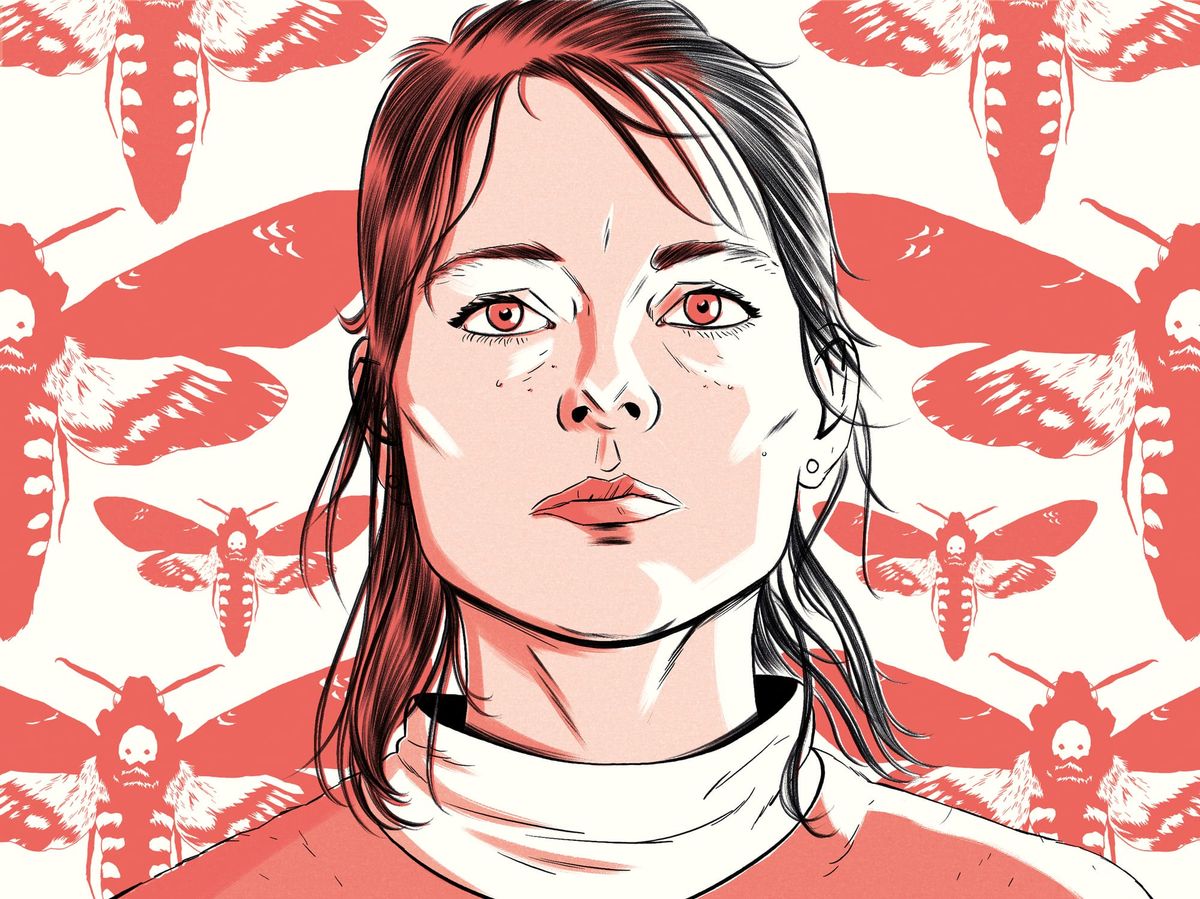
On Subjectivity, Empathy and The Silence of the Lambs
This is part of a series of essays about my favourite horror sequels. Read the introduction here, and the full archive here. Subscribe for free to have it delivered to your inbox every other day in October. If you're enjoying it, you can show your appreciation by buying me a coffee or sharing it with friends.
Spoilers: I try my best not to spoil the films I discuss, but if spoilers ruin your viewing experience, it might be safer to watch the films before reading.

The Silence of the Lambs (1991) Dir. Jonathan Demme
Plot Summary: FBI trainee Clarice Starling is sent to seek the advice of the imprisoned Dr. Hannibal Lecter in an effort to identify and arrest a brutal new serial killer known as "Buffalo Bill".
"I learned that you have to make your antagonist every bit as interesting as your protagonist because anything less diminishes your protagonist. Where I’ve come to is that as the director, I am the best, most loyal friend of every character in the film." - Jonathan Demme
One of my favourite music videos of all time is Perfect Kiss by New Order, directed by Jonathan Demme. In its ten minute duration, he uses only one brief wide shot, and a handful of mid-shots towards the end. The rest of it is close-ups. Intimate, painfully awkward close-ups. Sometimes of hands playing instruments, but mostly of faces. In doing this he strips the band of any pretences of "cool". They play their instruments to an empty room. Just the band and the unblinking cameras. You can see in their faces how uncomfortable it makes them. They try their best to appear aloof and unfazed, but they all look like they'd rather be somewhere, anywhere, else. It makes them relatable to me. A twitchy, rueful smile briefly crosses Stephen Morris' face. Every micro-expression is laid bare. There's nowhere to hide. Stripped of any vanity or rock star facade, we as an audience feel like we're in the room with people. Not celebrities, or musical idols. Just people.
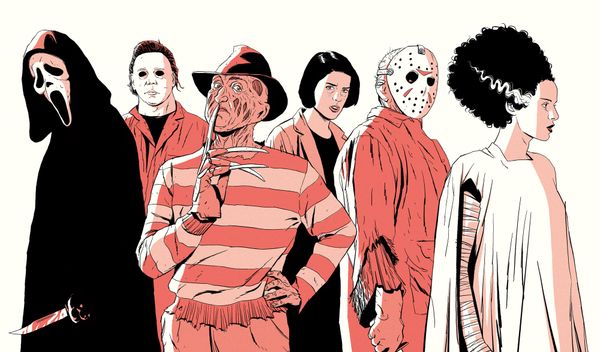
After all my complaining about how the slasher films of the 1980s favoured the stories and personalities of the villains over the heroes, it's funny to think about how we've accepted Dr. Hannibal Lecter as the star and key (human flesh) ingredient of adaptations of Thomas Harris' books. He's in five films and two TV shows (Clarice is arguable). He's a franchise at this point. He's the Freddy Krueger that critics and horror-agnostics are allowed to like.
“I found, and find, the scrutiny of Dr. Lecter uncomfortable, intrusive, like the humming of your thoughts when they x-ray your head.” - Thomas Harris
The Silence of the Lambs is one of three sequels to win an Oscar for Best Picture (alongside The Godfather Part 2 and The Lord of the Rings: Return of the King), and one of only seven horror films to ever be nominated. It's also, while we're keeping score, one of only three films to win "the big 5" (Picture, Director, Actor, Actress, Screenplay). As such, it is not just the only horror film to win Best Picture, but the only horror sequel. So, naturally, people dispute both categorisations.
Needless to say, they're wrong on both counts. The Silence of the Lambs is an adaptation of Thomas Harris' novel which was a follow-up to Red Dragon. Red Dragon itself had a cinematic adaptation by Michael Mann - Manhunter (1986) - where we were introduced to Brain Cox as Hannibal "Lecktor". Just because Hannibal Lecter and Jack Crawford are played by different actors, doesn't make Silence any less of a sequel. That said, I think the fact people don't consider it one is worth investigating when thinking about what constitutes a successful sequel.
The key, I think, is that it's a stand-alone story that doesn't require any previous knowledge of the first entry. You can watch Silence and not know it's a sequel. Many people didn't. Manhunter, despite it's deserved cult status (and recent 4K re-release), wasn't a success. People's first exposure to Lecter is usually Anthony Hopkins. Everything you need to understand and appreciate Silence is contained within the text. But it makes you want to know more. How did Lecter end up in prison? What exactly did he do? Who caught him? How?
As for whether it's a horror, you need only watch the opening scene to know what it is you're watching: A dark Pennsylvanian forest of looming, gnarled trees. A thin mist of fog. A woman running. Away from what? From who? Howard Shore's heightened score further creates the sense that you're watching a gothic horror. The opening could easily be that of one of Roger Corman's Edgar Allen Poe adaptations. Which is apt, since Demme got his start in filmmaking under Corman's tutelage. Corman himself is in the film as Director of the FBI.
It's worth noting that Jodie Foster - Demme's fourth choice for the role of Clarice Starling (after Michelle Pfeiffer, Meg Ryan, and Laura Dern) - was behind that opening sequence. According to Foster, the first scene was originally an FBI operation that goes wrong, only for it to be revealed it was a training exercise. She thought that kind of narrative trickery would only establish distrust on the audience's part. Instead, we see what we think is a woman in peril, only for it to become apparent she is in training. Preparing herself to face the horrors to come.
Also in the horror column: the gothic castle Lecter is imprisoned in, the final act in which we watch Starling through the night-vision googles of Jame Gumb, and the introduction of Lecter himself. Writer and critic Emily St. James points out that Brian Cox plays Hannibal as a man, Anthony Hopkins plays him as Dracula, and Mads Mikkelson plays him as Satan (in the TV series Hannibal).

The Silence of the Lambs is a fascinating film to revisit in 2026. In many ways it invented a whole new sub-genre of dark, psychological crime thrillers. Without it, I don't think we'd have Twin Peaks, The X-Files, Mindhunter, or Steig Larsson's Millennium series. Most of what is on TV is operating in the shadow of Silence. David Fincher's filmography has largely been about grabbing what Demme did here and running with it. Yes, a lot of this is thanks to Harris' novel, but Demme's adaptation (along with cinematographer Tak Fujimoto) created the visual vocabulary that would go on to dominate the sub-genre.
It's this influence that makes rewatching it today important though. I think a version of Silence had formed in my mind that was an amalgamation of all the media it had influenced. It's canonised place in film history and Oscar wins had made it something for a contrarian like me to hand-wave away. I'd say I liked Cox's Hannibal more than Hopkins' because it was more grounded and less theatrical (as if one has to choose instead of just appreciating both). Or that I found Mann's neon '80s Miami stylings more interesting in Manhunter. I was an idiot.
“[Jonathan Demme] really is my favourite female director that I’ve ever worked with. He was the one guy who really understood Silence of the Lambs and was able to say, ‘This is a movie about a woman, who is our hero.’” - Jodie Foster
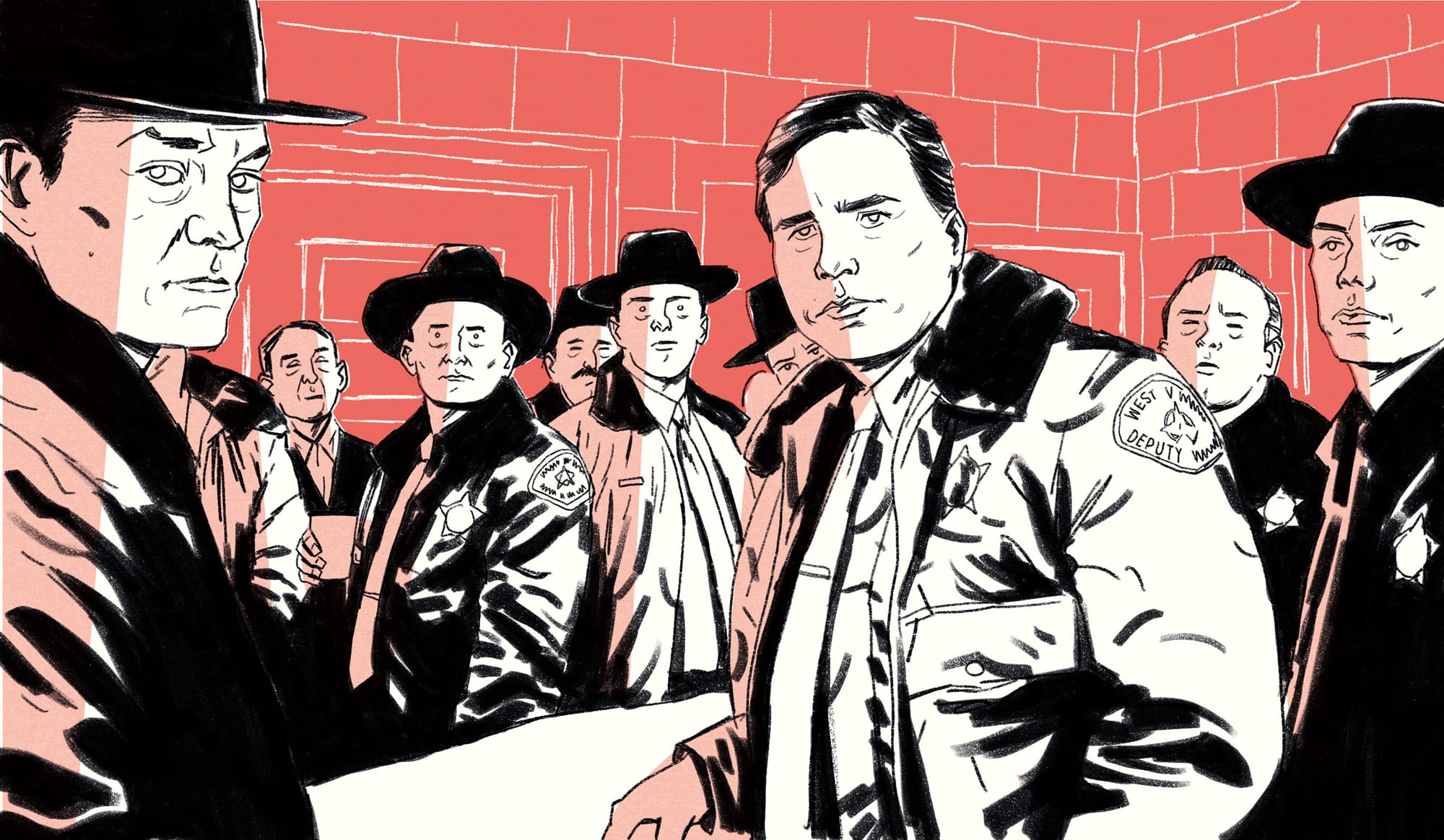
The thing that I, and apparently most of his imitators, forgot is Demme's humanity, empathy and intentionality. Every single shot in Silence is purposeful and character-driven. The camera is usually either a subjective POV of Starling, set at Foster's eye height, or from those who are observing her. It is Male Gaze: The Movie. You are constantly forced to confront how men view Starling, whether by her peers in Quantico, the police, her superiors, the killer Jame Gumb, Lecter, or nerdy moth experts.
It's incredibly effective. Throughout the film, we watch as Starling masterfully rebukes, placates and/or quietly chides men who come onto her or diminish her role as an FBI operative. It's only Lecter who notices this and respects it.
Demme cast extremely tall men where possible to heighten the contrast between them and Foster (seen most famously in the memed elevator scene), and often had everyone else walk in the opposite direction to Starling to underline her otherness at Quantico. It all makes her incredibly vulnerable and relatable, ensuring you're on the edge of your seat for the final act.
Jonathan Demme's clear humanity in his filmmaking makes the transphobia of Jame Gumb so disorientating. Despite the book and film attempting to make it clear that Gumb is neither gay nor trans, his scenes nonetheless contain problematic elements and understandably faced backlash from the LGBTQIA+ community when the film was released.
“As we made the film, there was just no question in our minds that Buffalo Bill was a completely aberrant personality — that he wasn’t gay or trans. He was sick. To that extent, we missed it. From my point of view, we weren’t sensitive enough to the legacy of a lot of stereotypes and their ability to harm.” - Edward Saxon (Demme's Producing partner)
The criticism deeply affected Demme. He went on to direct Philadelphia in an effort to create positive cinematic portrayals of gay men, though the cause and effect of these things has been downplayed, with Demme stating Philadelphia was already in development when he was facing criticism for Silence.
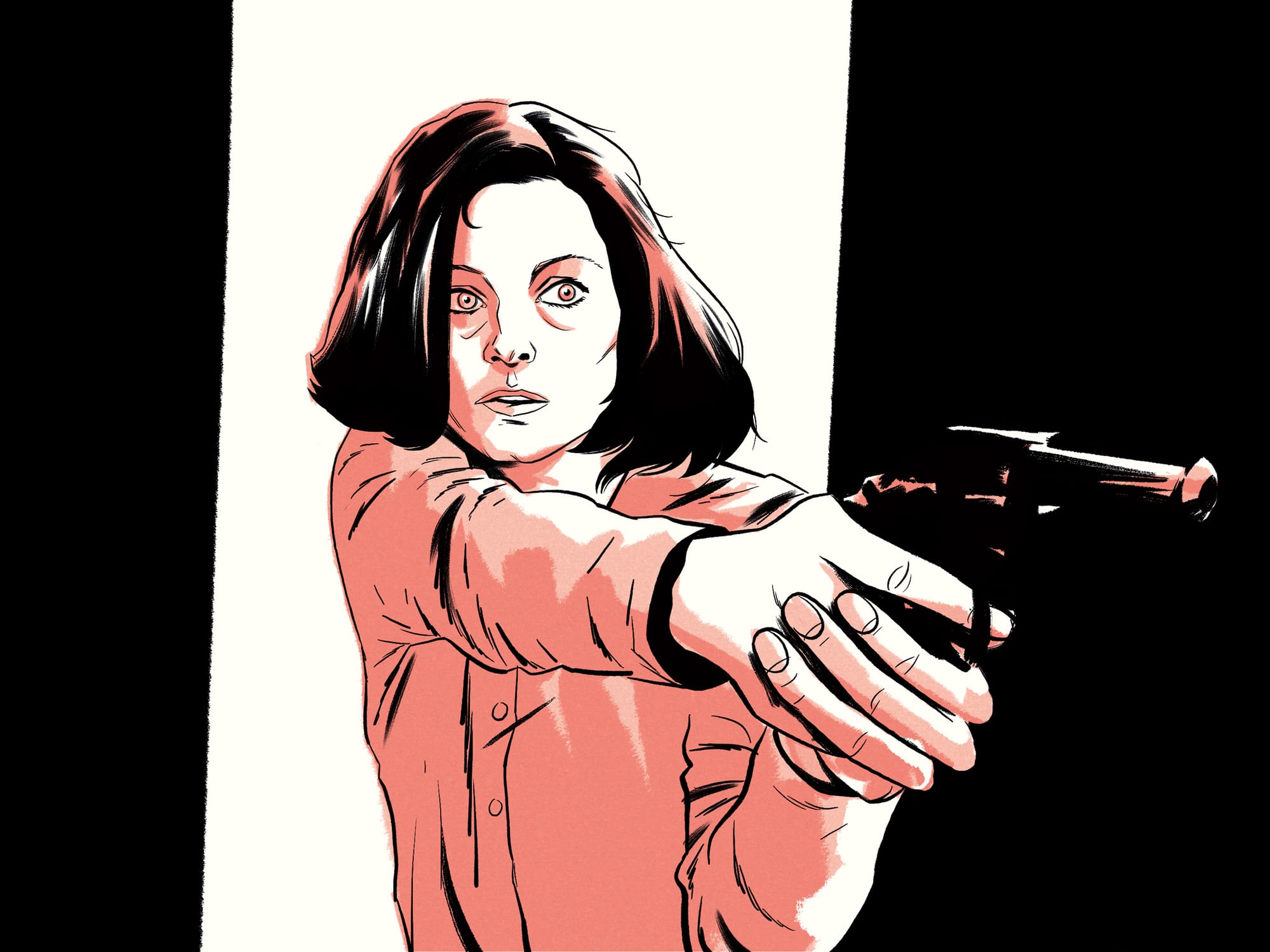
Even when he misstepped or blundered, Demme was always seeking to be kind to every character he put on screen, even the monstrous ones. I think that's the aspect of his craft his imitators struggle to mimic. It made him a uniquely perfect fit for the adaptation of Harris' novel which prioritised understanding the perspective of all the characters in a series that always placed that at the thematic centre. Indeed, Will Graham, the protagonist of Red Dragon, is a character whose "superpower" is that of a sort of radical empathy. He can so completely empathise with someone that he, in some sense, becomes them.
Who better then, really, to put that on screen than Jonathan Demme?
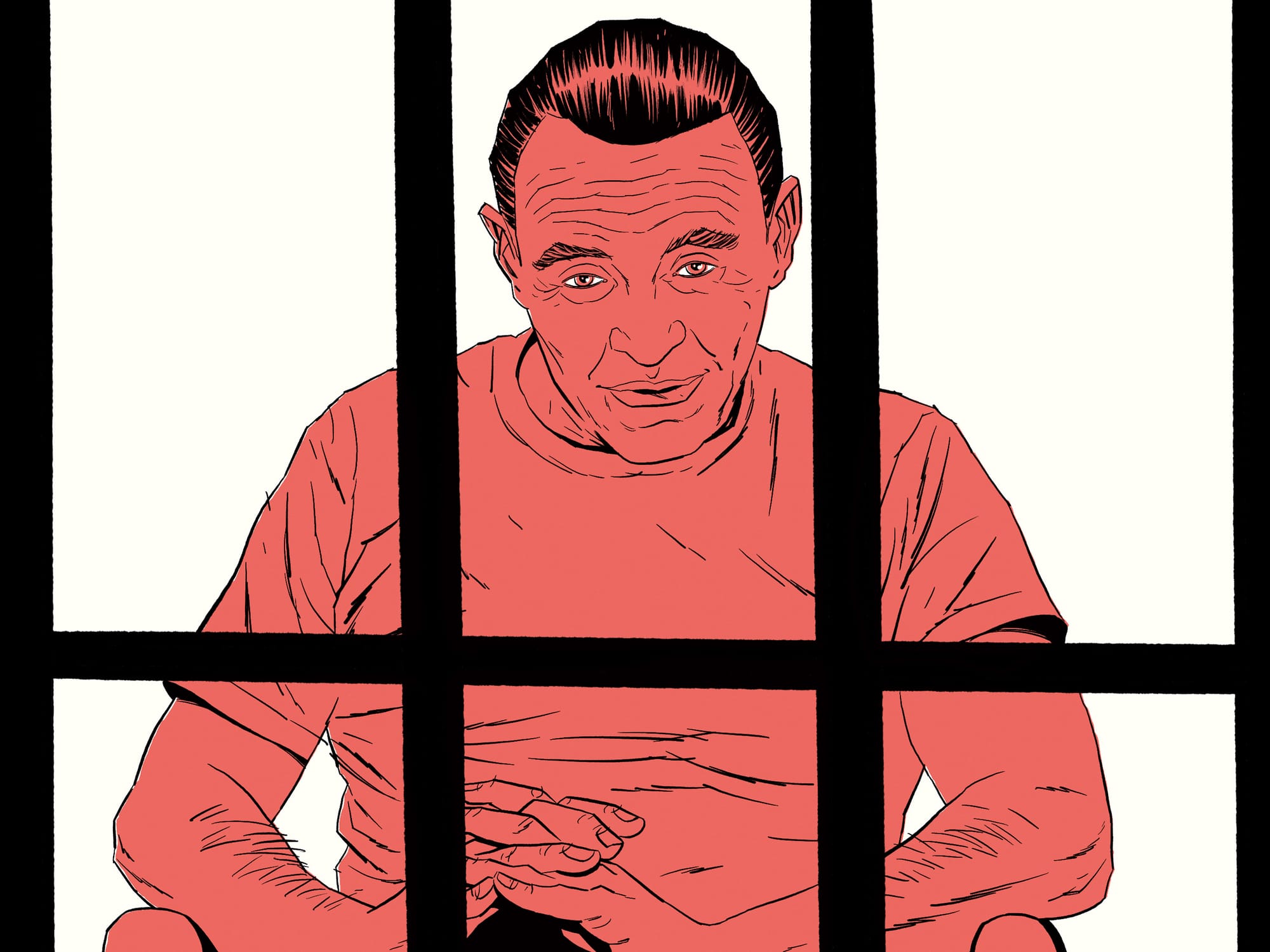
"I've no plans to call on you, Clarice. The world is more interesting with you in it." - Hannibal Lecter
Exhumed Contents
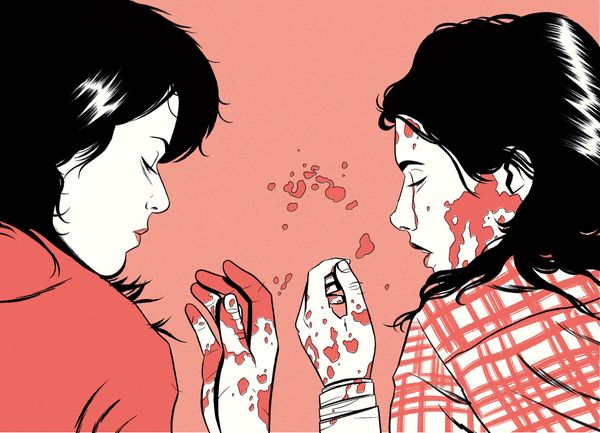
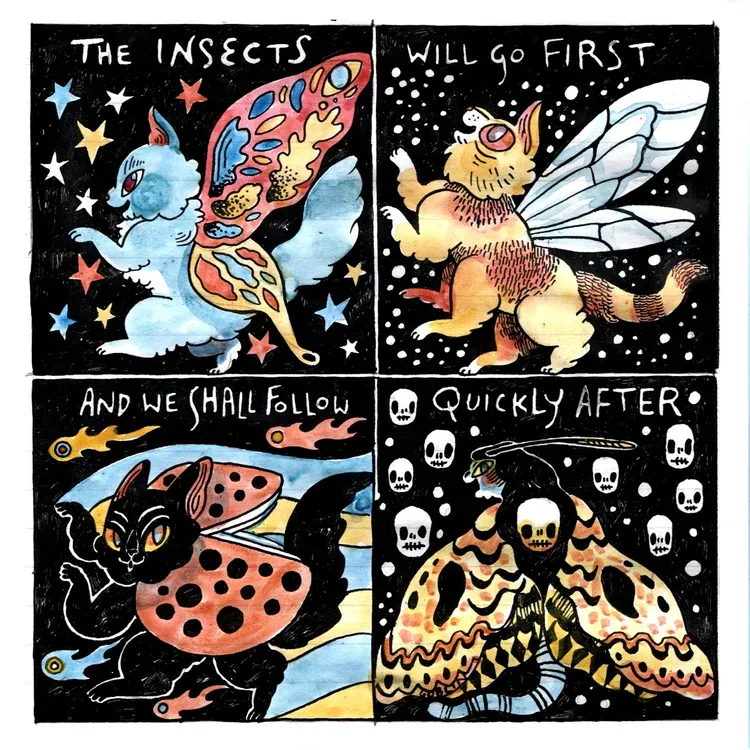
- Candice "Goblin" Purwin featured this comic in her recent newsletter and it felt appropriate to today's film. Go buy her excellent graphic novel The Book of Murmurs and subscribe to her newsletter here.
- If you're keen to dig into more films by Jonathan Demme and hear people with more knowledge than me discuss him, you could do a lot worse than listen to the Blank Check mini-series on him: Stop Making Podcasts. The Silence of the Lambs episode is great and can be found here.
- If you still need a bit of a nudge to re/watch, there's a good Cinemastix video essay about the film here.
- It's a microfiche film! So that's my cue to share the microfiche scene compilation.
- "A Hero Of Our Time": Excellent Criterion essay by Amy Taubin about the film.
- A collection of Jonathan Demme's appearances on NPR's Fresh Air.
- Did you know The Silence of the Lambs was one of David Foster Wallace's favourite books? Look at these annotated pages. Here's DFW's Top Ten list of books which includes both Red Dragon and Silence.
- To celebrate its 40th anniversary, there are currently screenings of the 4K Final Cut of Manhunter in UK cinemas. I went last week and would highly recommend going to see it on the big screen!
- If you're in Edinburgh, and this has got you in the mood for some Roger Corman Poe adaptations, Filmhouse are putting on both Fall of the House of Usher and Masque of the Red Death as part of their Halloween season.
- Writer and puzzle designer Laura E. Hall is back doing 31 Days of Halloween - a daily newsletter with links to get you in the Halloween mood - would be a great companion newsletter to this one if you're not already subscribed.
- If you're in London, The Quentin Blake Centre for Illustration is having a comic fair at the end of the month: Halloween Late. 5.30pm-8.30pm on Oct 31st. It will also be your last chance to catch the Queer As Comics exhibition.
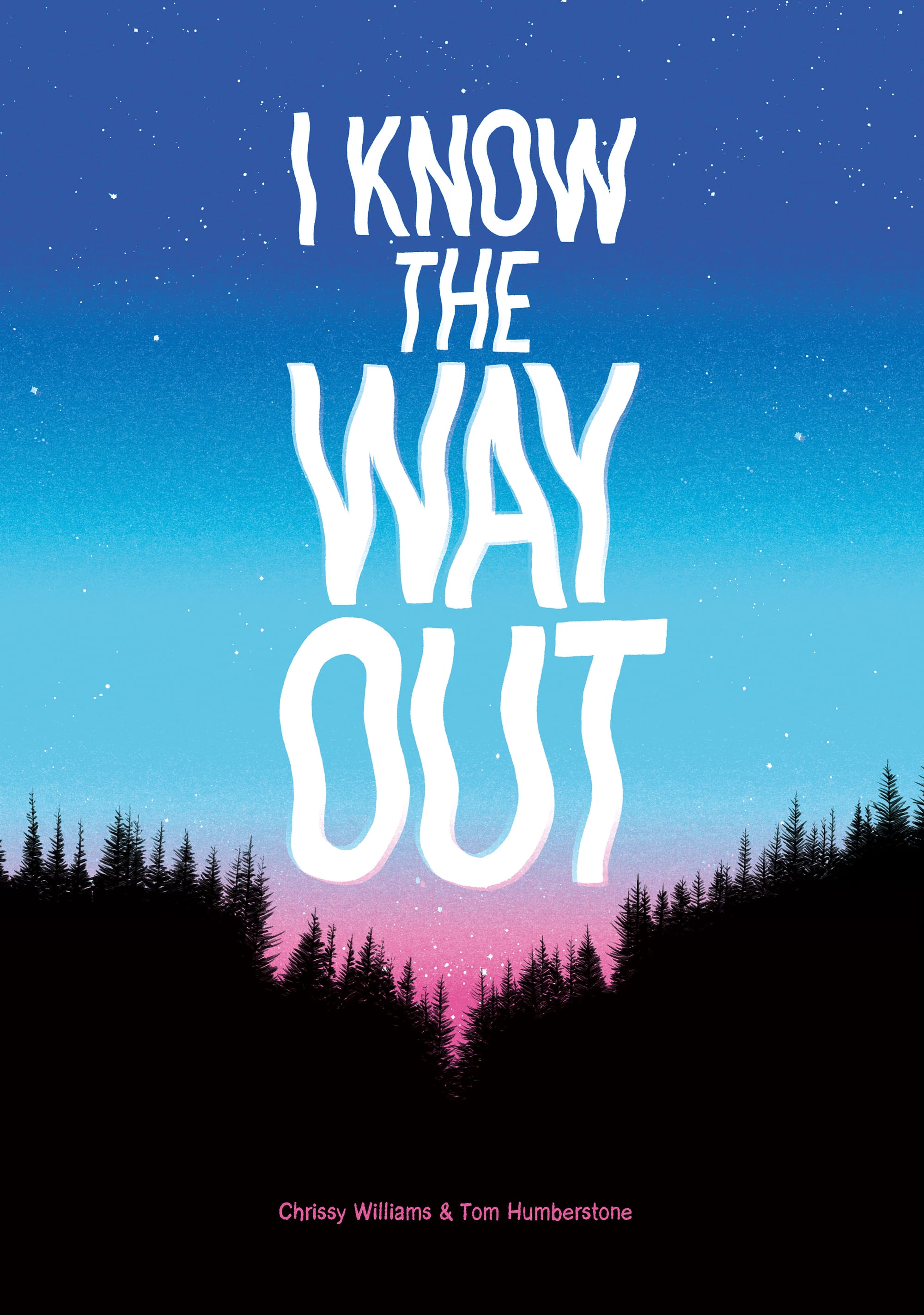
A bit of personal news, but I Know The Way Out - the poem comic by me and Chrissy Williams - has been nominated for THREE Selkie awards! Best Short Comic, Best Art and Best Narrative. We're both extremely proud of the book and chuffed with this news.
Chrissy will be at The Lakes International Comic Art Festival this weekend if you're nearby. In fact, today she'll be in conversation with the excellent Lucy Sullivan talking poetry comics at 1.15pm. In preparing for the talk, Chrissy has been going back through our old emails and apparently we've been making poetry comic together since 2011. Fifteen years! I only feel like I'm getting slightly close to knowing what I'm doing, so hopefully we'll still be doing it for another fifteen.
You can buy a copy of the comic here.