Body Parts
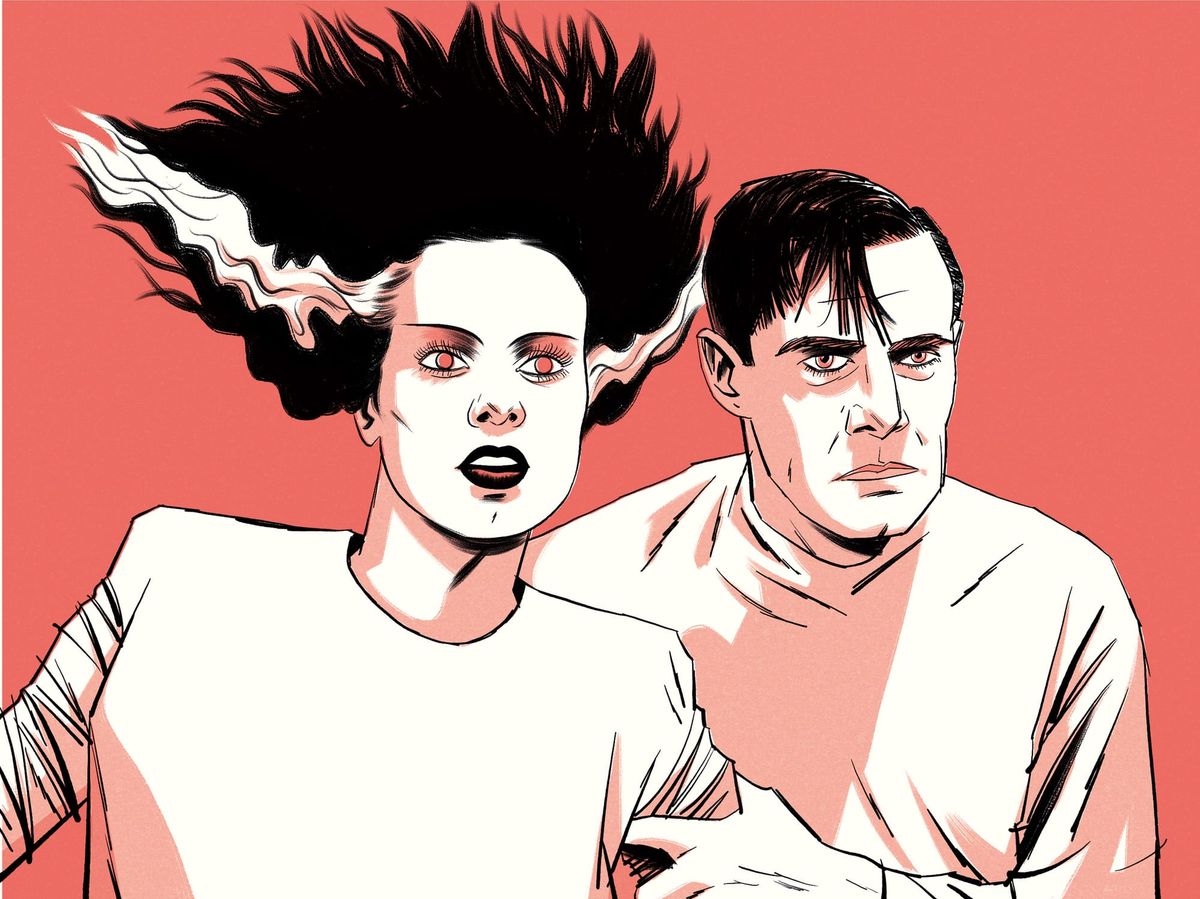
On Iconic Wigs, Bodily Autonomy, and The Bride of Frankenstein
This is part of a series of essays about my favourite horror sequels. Read the introduction here, and the full archive here. Subscribe for free to have it delivered to your inbox every other day in October. If you're enjoying it, you can show your appreciation by buying me a coffee or sharing it with friends.
Spoilers: I try my best not to spoil the films I discuss, but if spoilers ruin your viewing experience, it might be safer to watch the films before reading.
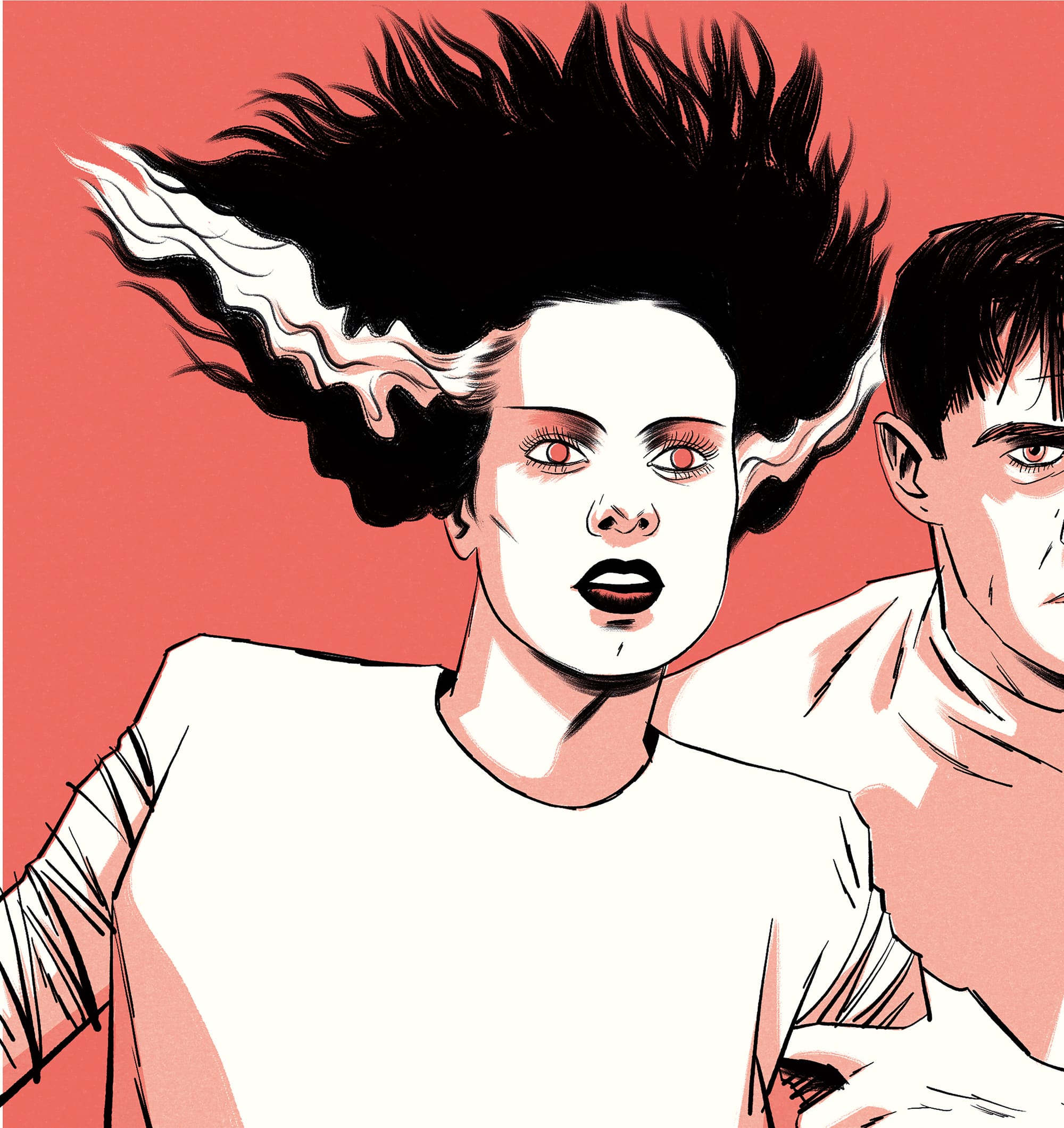
The Bride of Frankenstein (1935) Dir. James Whale
Plot Summary: The Monster teams up with Frankenstein's former mentor to coerce the scientist into making him a bride.
“I have love in me the likes of which you can scarcely imagine and rage the likes of which you would not believe. If I cannot satisfy the one, I will indulge the other.” - The Creature (Frankenstein)
"An audience needs something stronger than a pretty little love story. So, why shouldn't I write of monsters?" - Mary Shelley
Has any horror character had such an indelible effect on pop culture with such limited screen time? Anthony Hopkins could never. In less than 5 minutes, Elsa Lanchester became immortalised as part of the horror firmament without ever saying a word. An iconic wig, costume design and a scene-stealing series of jittery, stuttering head turns was all it took. That, a hiss, and a defiant scream of rejection.
It's a scream that has spawned many an essay about The Bride of Frankenstein in the ensuing near-century. A scream of agency. A scream that rejects The Monster yes, but also the patriarchy. The bizarro arranged marriage in which four men (The Monster, Dr. Frankenstein, Dr. Pretorius, and... Karl) attempt to pass a woman around like property they own. She is punished for this crime of defiance of course. Burned alive along with her... ex-fiancé? Brother?
Their doomed fates stand in stark silver nitrate contrast to the eponymous marriage of the film. Dr. Frankenstein and Elizabeth - the actual Bride of Frankenstein. The hetero-normative, rich couple that are celebrated, apparently, by the entire town (or are at least bribed with free alcohol to celebrate). Because yes, tedious pedants will be well aware that Frankenstein is the name of the Doctor, not The Monster. The title ultimately refers to Elizabeth and how she is used as collateral to blackmail Frankenstein. Another example of the way women are casually bartered between men in the film.
"I do not wish [women] to have power over men; but over themselves." - Mary Shelley (A Vindication of the Rights of Woman)
On this rewatch, I couldn't help but think about the fascist little gremlin Nick Fuentes who, in the wake of the re-election of the slightly bigger fascist ogre in 2024, posted on Twitter: "Your body, my choice. Forever."
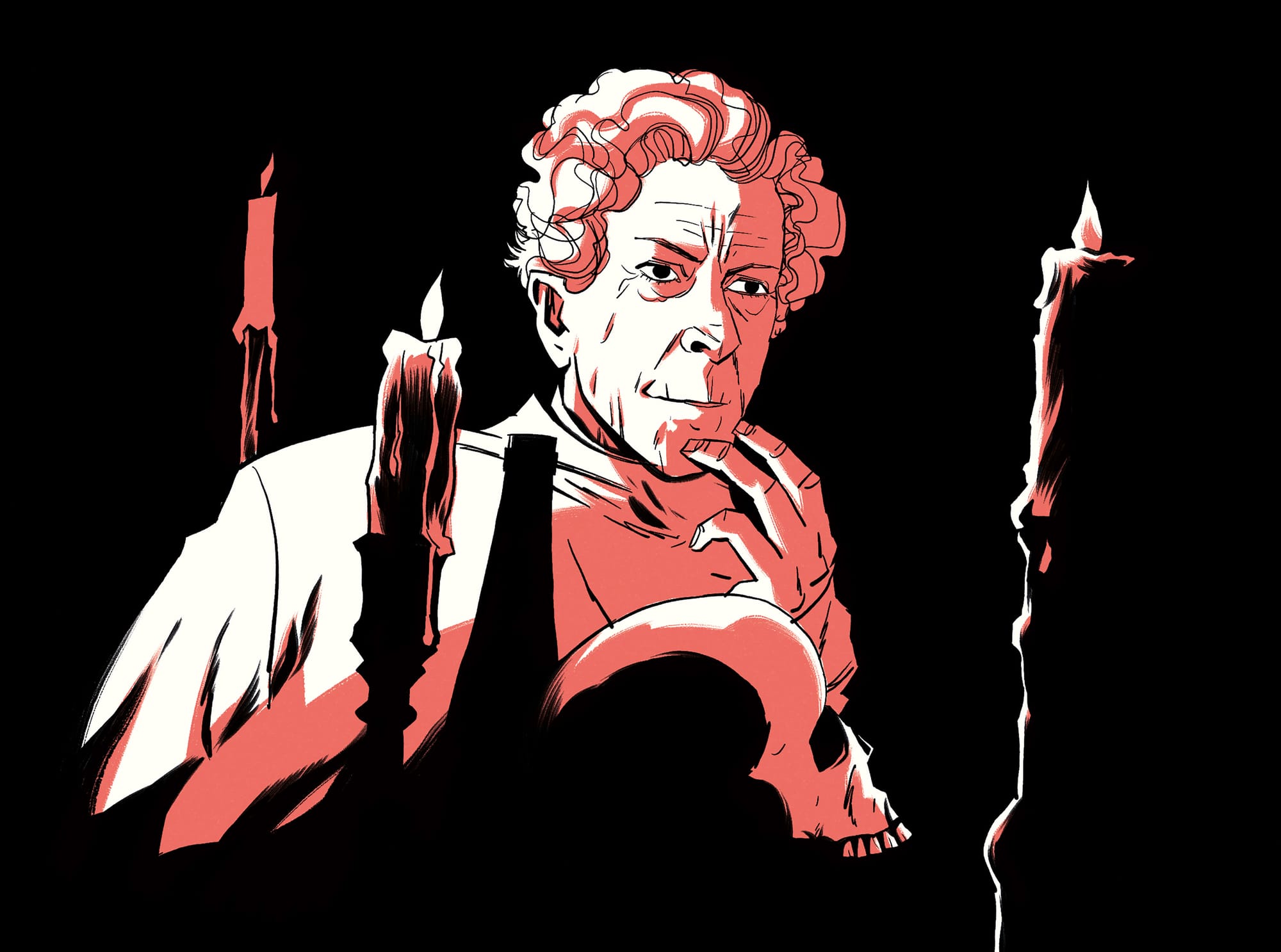
Elsa Lanchester at least gets to speak a few lines at the start of Bride. In the prologue she plays Mary Shelley in a real post-modern meta-textual moment (Scream just following in the footsteps of 60+ years of horror history). It's a playful introduction that sets the tone for the sequel. Bride is more elaborate, more knowing, more gothic and, indeed, more comedic than it's predecessor. All of which has made it more beloved to critics and audiences than the original. It, along with their other horror properties (Dracula, The Mummy, The Invisible Man, etc.), made a struggling Universal Studios financially solvent. It is seen as the first true horror sequel and also remains one of the best received.
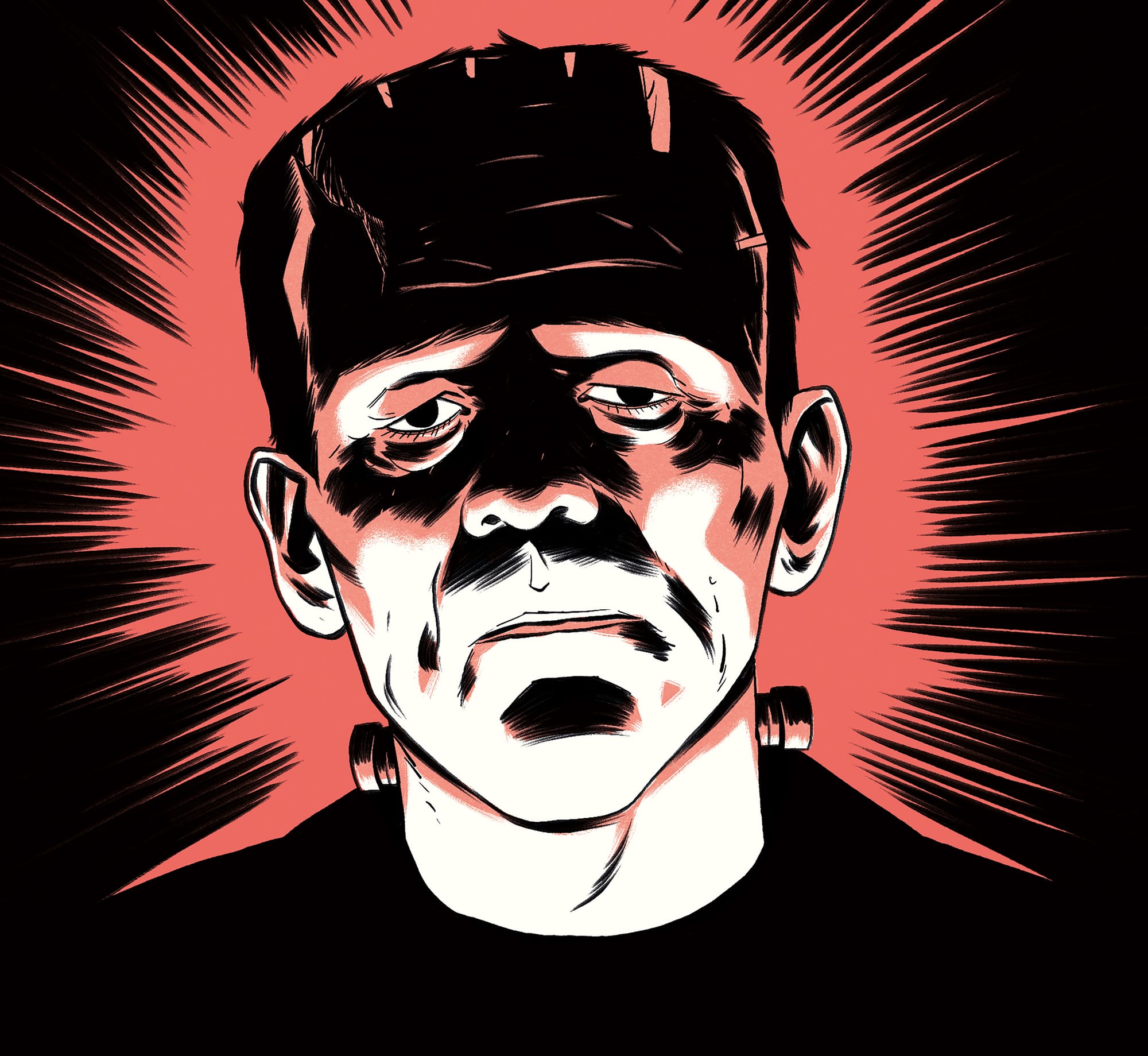
But while it is often a campy delight, it also retains the tragic, poignant potency of the original (and the source material). The similarly iconic creature design of The Monster has become so entrenched in horror history that it can be easy to forget how much Boris Karloff imbues the character with sadness and tragedy. The first film has only 80 minutes to wrestle with the complex themes of the book. It cuts a huge amount out, including most of The Creature's time spent in exile where he learns to communicate. But Karloff somehow manages to convey so much with his heartbreaking, wordless performance. His Monster is both child-like, innocent, and vicious. It has been written about endlessly, but it's worth rewatching his scene with Maria by the lake again to remind yourself just how touching, sad and horrifying it is.
"Accursed creator! Why did you form a monster so hideous that even you turned from me in disgust? God, in pity, made man beautiful and alluring, after his own image; but my form is a filthy type of yours, more horrid even from the very resemblance. Satan had his companions, fellow-devils, to admire and encourage him; but I am solitary and abhorred." - The Creature (Frankenstein)
"Alone: bad. Friend: good!" - The Monster
In a lot of ways, Bride is really just Frankenstein Part 2, with the reintroduction of certain sequences form the book. Indeed, the concept of the Doctor making a bride for the Creature is a key part of the book's third act. My favourite revived sequence is The Monster's time spent with his only friend, the blind Hermit. It is quiet, patient, and beautiful. Without these scenes offering us a vision of what The Monster could truly become if society treated him with kindness and empathy, the true tragedy and horror of the story wouldn't land. It's also a scene that has been interpreted as the third marriage in the film. The marriage of two men. One that is so misunderstood by society that it seeks to immediately destroy it.
I've been reminded of this as I watch Mike Flanagan's Carrie. When a counsellor quotes Frankenstein to her ("Nothing is so painful to the human mind as a great and sudden change") it struck me how cumulatively devastating it is going to be watching 8 hours of the scene with the Hermit before the climactic events at Prom.
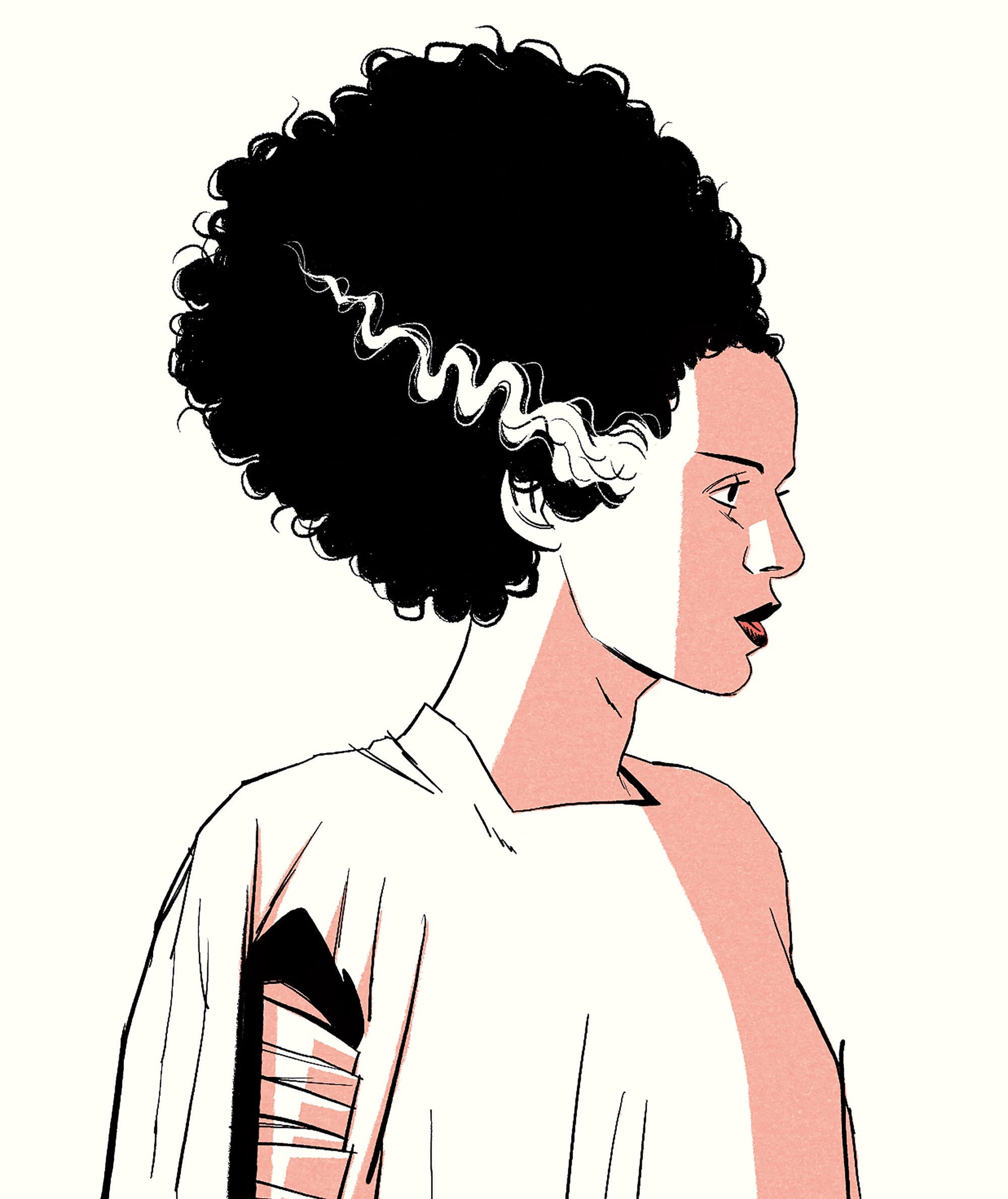
While the original film looks beautiful, James Whale really makes use of his increased budget in the sequel. The sets are these towering gothic delights which the camera navigates across in long single takes, following the protagonists as they traverse from room to room. Or intricate studio backlot forests with expressive, painted backdrops. The gothic lighting and shadows remain absolutely gorgeous, especially if you have access to an HD remaster. Plus Whale started taking cues from German expressionist filmmaking - using dramatic Dutch angles whenever he could. It's an incredible looking film. Honestly, if I had more time for these posts, I would have drawn hundreds of illustrations for this one.
A century of film criticism has more or less written everything there is to say about The Bride of Frankenstein. Whether you read it as a social satire of contemporary American society by an openly gay director, a feminist critique of patriarchy, or a flawed film that ill-served the Bride's character - you can find a critic out there who agrees with you.
We meet Mary Shelley at the beginning of the film, telling the story of the Bride to us, the audience, and her pal Lord Byron and husband Percy Shelley. It's a framing device that Whale demanded be added. Personally, I like to think the casting of Elsa Lanchester as both Shelley and the Bride is significant. Suggestive of a Shelley who wanted to live vicariously through her character and reject social norms. Scream in the face of men and claim a modicum of bodily autonomy no matter the cost.
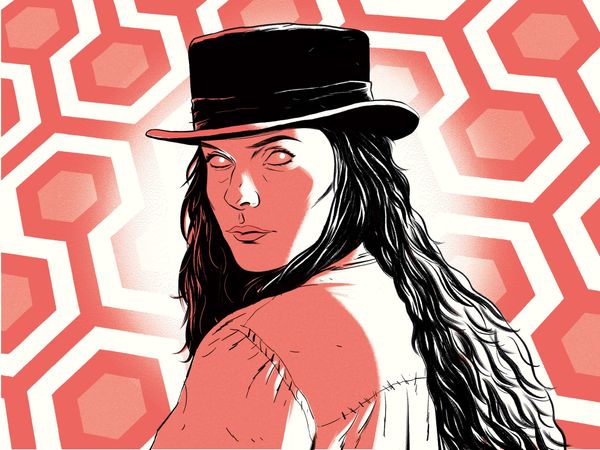
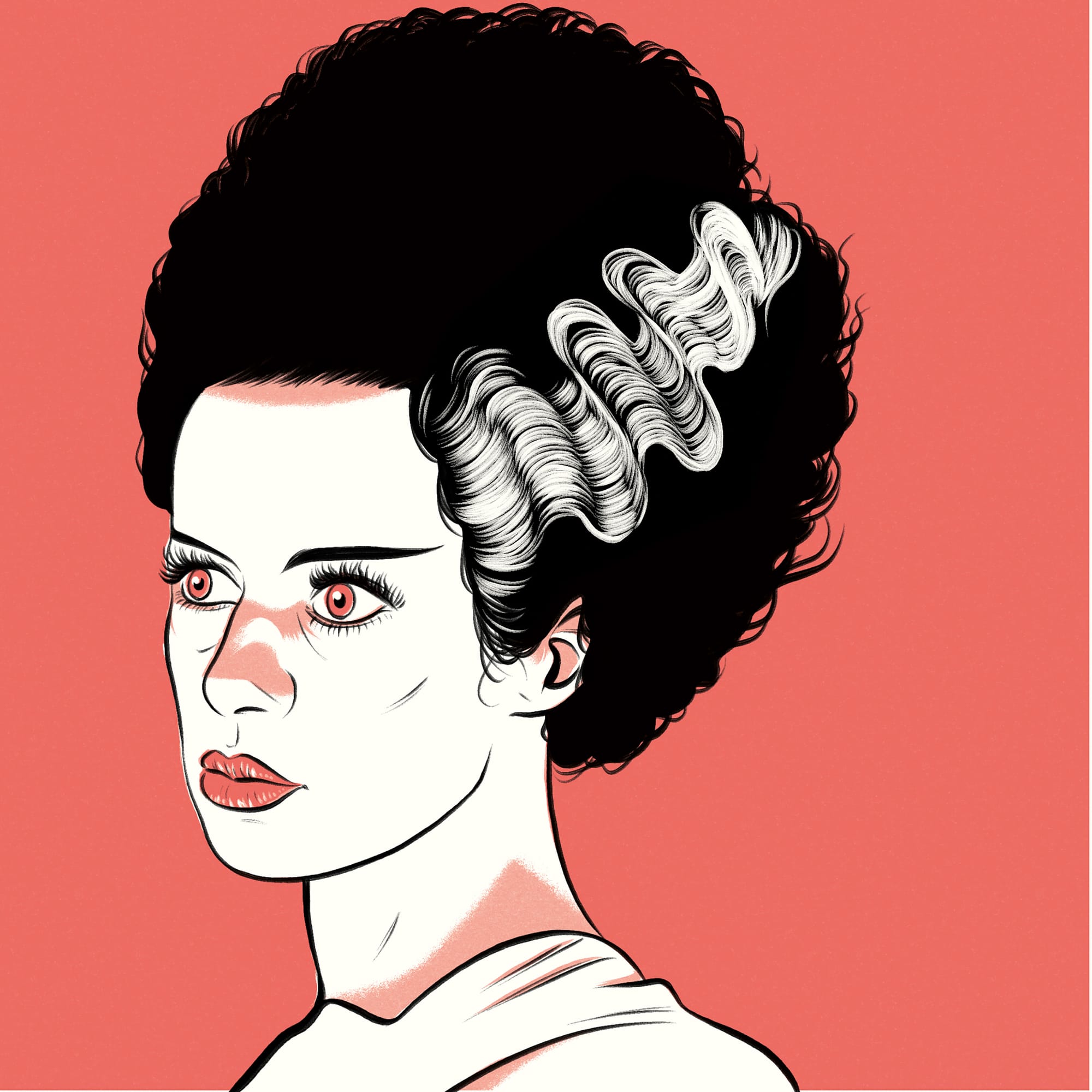
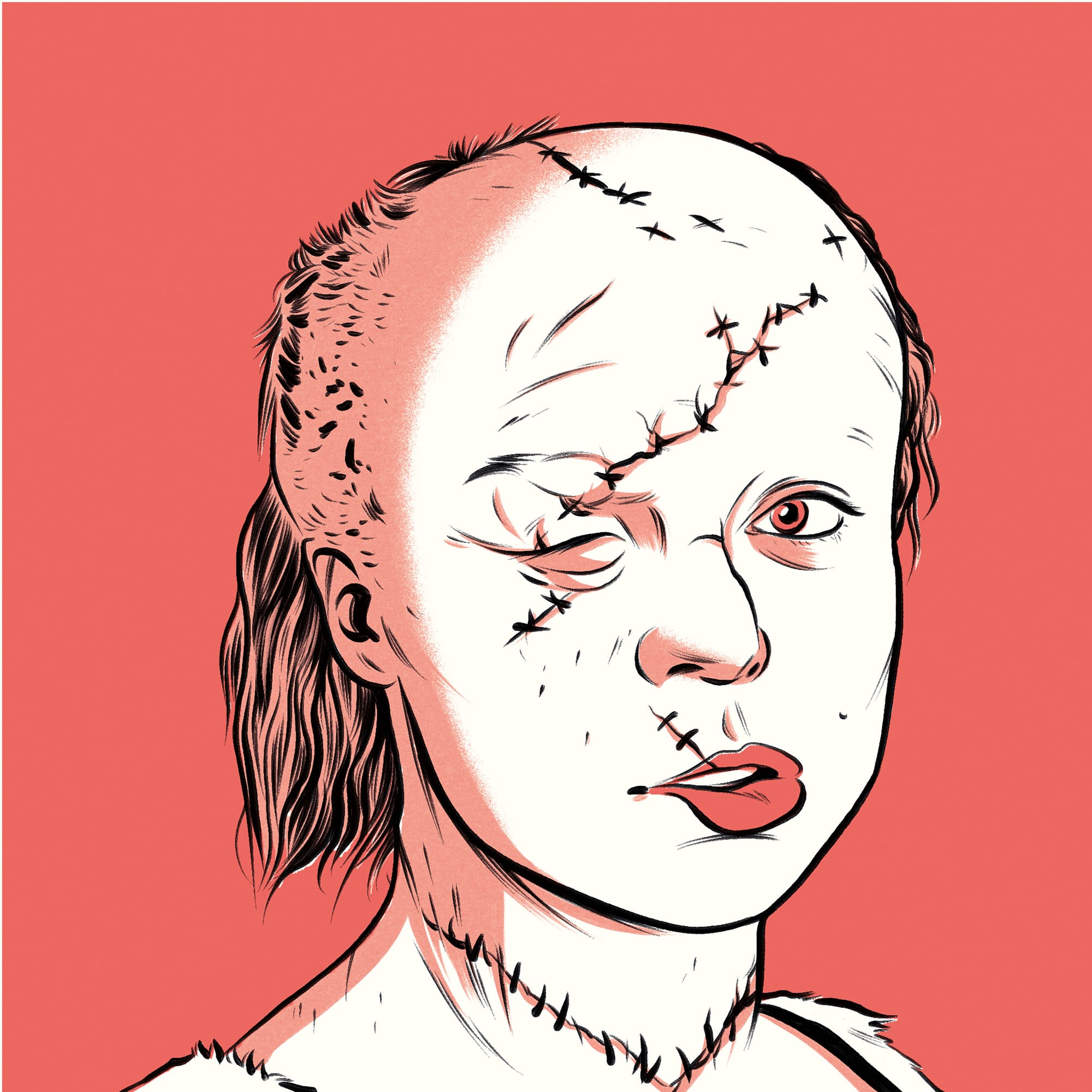
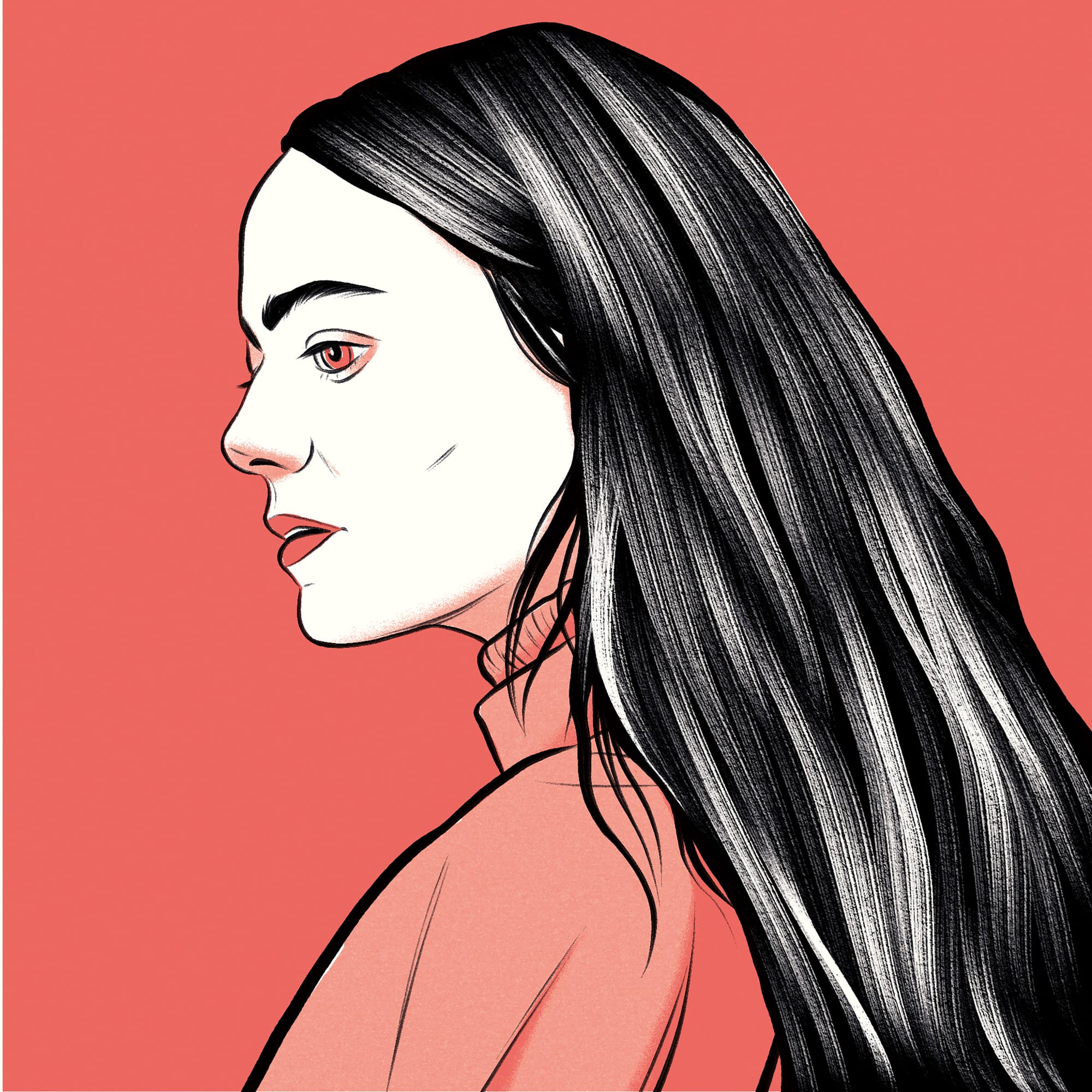
I'll leave you with an illustrated collection of different cinematic Brides:
Exhumed Contents
- Poor Things and Frankenstein's Girlies - Anna Bogutskaya wrote a great piece about the various brides of cinema. In fact, I illustrated it with the Poor Things illustration that I've repurposed above.
- Once again, another Faculty of Horror podcast episode to recommend. This dissects The Bride of Frankenstein and The Brides of Dracula.
- A 40 minute retrospective about the film, presented by Joe Dante.
- There's a 1998 biopic of James Whale - Gods and Monsters - starring Ian McKellen and Brendan Fraser if you fancy it.
- You know what we should bring back? Really nicely printed cinema lobby cards.
- More generally, I forgot to mention the YouTube channel Manboynice in my Nightmare on Elm Street essay. He's got a great video about Freddy's Revenge but also two great videos about the Wokest Horror Films of the '80s. Worth a subscribe.
- In London on Saturday 31st? Stop by Gosh Comics for their Ghouls 'n Gosh Halloween festival. There'll be a bunch of signings including Ben Wheatley (Kill List, A Field In England, Sightseers) signing his Film and Television Thoughts and Notes zine.